.jfif)
Planning for retirement is a crucial step in ensuring financial security and peace of mind during your golden years. With careful planning and disciplined saving, you can create a retirement plan that allows you to live comfortably without financial stress. This guide provides a detailed overview of how to plan for retirement, covering key areas such as setting goals, understanding retirement accounts, maximizing savings, and managing investments.
1. Set Clear Retirement Goals

The first step in retirement planning is setting clear, realistic goals. Consider the following questions:
- When Do You Want to Retire? Establishing your desired retirement age helps determine how long you have to save and invest.
- What Kind of Lifestyle Do You Want? Estimate the type of lifestyle you envision during retirement. This includes your living arrangements, travel plans, hobbies, and other activities that may affect your expenses.
- How Much Will You Need? Calculate your anticipated retirement expenses based on your desired lifestyle. Include essential costs such as housing, healthcare, food, and utilities, as well as discretionary expenses like travel and leisure.
Having well-defined goals will guide your savings strategy and help you stay on track to achieve the retirement you desire.
2. Understand Retirement Accounts

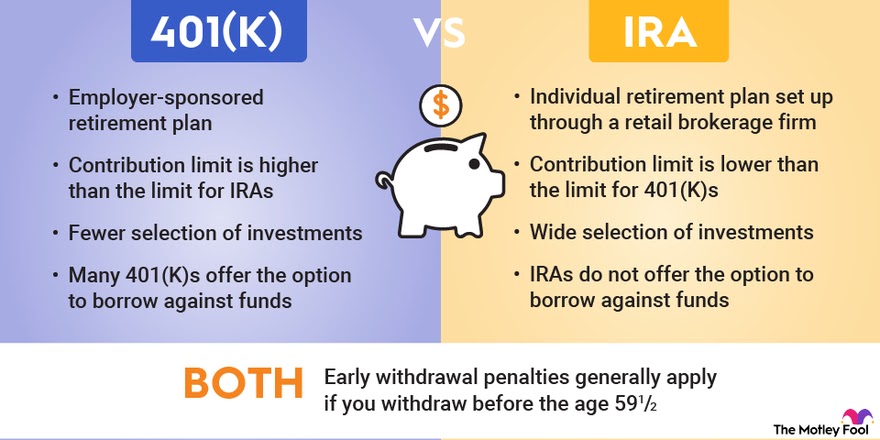
- 401(k) Plans: Offered by many employers, 401(k) plans allow you to contribute pre-tax income, reducing your taxable income for the year. Many employers also offer matching contributions, which can significantly boost your retirement savings.
- IRA (Individual Retirement Account): An IRA is a tax-advantaged account that individuals can open independently of their employer. There are two main types: Traditional IRA, which allows for tax-deductible contributions, and Roth IRA, where contributions are made with after-tax dollars, but withdrawals during retirement are tax-free.
- Pension Plans: Some employers offer pension plans, which provide a fixed income during retirement based on your years of service and salary history.
- Social Security: While not a retirement account, Social Security benefits play a significant role in most retirement plans. Understand your projected benefits and how they fit into your overall retirement income.
3. Maximize Retirement Savings
.jfif)
Saving consistently and maximizing contributions to your retirement accounts is crucial for building a robust retirement fund.
- Take Advantage of Employer Match: If your employer offers a 401(k) match, contribute enough to take full advantage of this benefit. It's essentially free money for your retirement.
- Max Out Contributions: Aim to contribute the maximum allowed amount to your retirement accounts each year. For 401(k) plans, the contribution limit is $22,500 for 2024, with an additional $7,500 catch-up contribution if you are over 50. For IRAs, the contribution limit is $7,000, with an additional $1,000 catch-up contribution.
- Automate Savings: Set up automatic contributions to your retirement accounts to ensure consistent saving. Automating your savings helps you stay disciplined and reduces the temptation to spend money that should be invested for the future.
4. Invest Wisely for Growth
.jfif)
Investing your retirement savings wisely is essential to ensure your money grows over time and outpaces inflation. Here are some key investment strategies:
- Diversify Your Portfolio: Diversification involves spreading your investments across different asset classes such as stocks, bonds, and real estate. This reduces risk by minimizing the impact of any single investment's poor performance.
- Consider Your Risk Tolerance: Your investment strategy should align with your risk tolerance, which may change as you get closer to retirement. Younger investors may opt for a more aggressive portfolio with a higher allocation to stocks, while those nearing retirement may prefer a more conservative approach with a focus on bonds and other stable investments.
- Rebalance Regularly: Periodically review and adjust your portfolio to maintain your desired asset allocation. Rebalancing ensures that your portfolio remains aligned with your risk tolerance and retirement goals.
- Invest in Low-Cost Funds: Minimize investment fees by choosing low-cost index funds or exchange-traded funds (ETFs). High fees can eat into your returns over time, reducing the growth of your retirement savings.
5. Plan for Healthcare Costs

Healthcare is one of the most significant expenses in retirement. Planning for these costs is essential to avoid depleting your retirement savings.
- Consider Health Savings Accounts (HSAs): HSAs are tax-advantaged accounts that allow you to save for medical expenses. Contributions are tax-deductible, grow tax-free, and can be withdrawn tax-free for qualified medical expenses.
- Medicare Planning: Understand the basics of Medicare, including when to enroll and what coverage you need. Consider supplemental insurance policies to cover costs not covered by Medicare, such as prescription drugs and long-term care.
- Long-Term Care Insurance: Long-term care can be expensive and is not covered by Medicare. Consider purchasing long-term care insurance to protect your retirement savings from the high costs of extended care services.
6. Create a Withdrawal Strategy
.jfif)
Your withdrawal strategy is crucial for ensuring that your retirement savings last throughout your lifetime. Key considerations include:
- Determine Your Withdrawal Rate: A common rule of thumb is the 4% rule, which suggests withdrawing 4% of your retirement savings in the first year of retirement and adjusting for inflation thereafter. However, this may vary based on your specific circumstances and market conditions.
- Sequence of Withdrawals: Plan the order in which you will withdraw from your various retirement accounts. Generally, it’s advisable to withdraw from taxable accounts first, followed by tax-deferred accounts like traditional IRAs and 401(k)s, and finally from tax-free accounts like Roth IRAs.
- Consider Required Minimum Distributions (RMDs): Starting at age 73, you must begin taking RMDs from traditional IRAs and 401(k) plans. Failing to take the required amount can result in hefty penalties.
7. Review and Adjust Your Plan Regularly

Retirement planning is not a one-time event but an ongoing process. Regularly review your retirement plan to ensure it remains aligned with your goals and financial situation.
- Monitor Your Progress: Track your retirement savings and investment performance to ensure you are on track to meet your goals.
- Adjust for Life Changes: Significant life events, such as marriage, divorce, or the birth of a child, may require adjustments to your retirement plan.
- Stay Informed: Keep up with changes in tax laws, Social Security rules, and retirement account regulations that may impact your retirement plan.
Conclusion
Planning for retirement requires careful consideration of your goals, savings strategy, investment approach, and healthcare needs. By setting clear goals, maximizing your savings, investing wisely, and creating a thoughtful withdrawal strategy, you can build a secure and comfortable retirement. Regularly review and adjust your plan to stay on track, ensuring that your golden years are truly golden.
.jfif)
.png)


