Showing posts with label Stress management. Show all posts

Monday, September 30, 2024

When to Seek Help: Key Signs You Need to See a Psychiatrist


There are various mental health conditions and behavioral issues that require attention from a mental health professional. Sometimes, our mental health concerns can be just as urgent as our physical ones. Recognizing the signs that it's time to seek help from a psychiatrist can be a crucial step toward recovery and mental well-being. Here are the key situations where it’s recommended to consult a mental health professional:

Mood Swings

If you notice drastic and persistent changes in your mood, such as prolonged periods of sadness or sudden outbursts of anger, it may be a sign that your mental health needs attention.

Difficulty Managing Stress


When everyday situations become overwhelming and you’re struggling to cope with stress, it might be time to talk to a mental health professional.

Sleep Problems

Frequent insomnia or other sleep disturbances can be symptoms of underlying issues that require psychiatric treatment.

Recurring Negative Thoughts


Persistent thoughts of anxiety, hopelessness, suicide, or pessimism may indicate an underlying problem that needs to be addressed by a psychiatrist.

Difficulty Concentrating or Remembering

If you’re finding it hard to focus on simple tasks or are experiencing memory problems, it could be a sign that your mental health is suffering.

Substance Use to Cope with Emotions
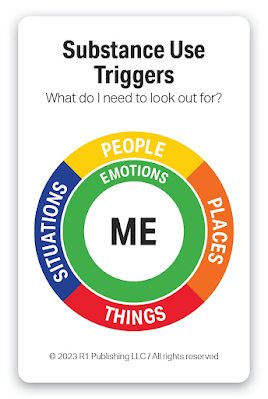

Turning to alcohol, drugs, or other harmful behaviors as a coping mechanism might indicate the need for psychiatric support.

Conclusion

Remember, seeking help is not a sign of weakness, but of courage and self-care. Don’t hesitate to reach out to a psychiatrist if you or someone you know is facing mental health challenges.


Thursday, September 19, 2024

Understanding Burnout: Causes, Symptoms, and Prevention


In today’s fast-paced world, burnout has become a common issue affecting many individuals across various professions. Burnout is a state of emotional, physical, and mental exhaustion caused by excessive and prolonged stress. It occurs when you feel overwhelmed, emotionally drained, and unable to meet constant demands. As the stress continues, you begin to lose the interest and motivation that led you to take on a certain role in the first place. Burnout reduces productivity and saps your energy, leaving you feeling increasingly helpless, hopeless, cynical, and resentful. Eventually, you may feel like you have nothing more to give.

Causes of Burnout


Burnout is often caused by work-related stress, but it can also be influenced by other factors. Some common causes include:

  1. Work Overload: Taking on too many tasks or responsibilities can lead to physical and mental exhaustion.
  2. Lack of Control: Feeling powerless in your job or unable to influence decisions that affect your work can contribute to burnout.
  3. Insufficient Rewards: Not receiving adequate recognition or compensation for your efforts can lead to feelings of frustration and burnout.
  4. Lack of Support: A lack of support from colleagues, supervisors, or loved ones can make it difficult to cope with stress.
  5. Work-Life Imbalance: Struggling to balance work and personal life can lead to chronic stress and burnout.

Symptoms of Burnout

Burnout can manifest in various ways, and its symptoms can be physical, emotional, or behavioral. Some common symptoms include:

  1. Physical Symptoms: Chronic fatigue, headaches, muscle pain, and changes in sleep patterns.
  2. Emotional Symptoms: Feelings of helplessness, hopelessness, detachment, and a lack of motivation.
  3. Behavioral Symptoms: Withdrawal from responsibilities, isolation from others, procrastination, and increased use of alcohol or drugs.

Prevention and Management of Burnout


Preventing and managing burnout involves making changes in your work environment and lifestyle. Here are some strategies to help you cope with and prevent burnout:

  1. Set Boundaries: Learn to say no to tasks that are beyond your capacity and set limits on your work hours.
  2. Take Breaks: Regular breaks during work hours can help you recharge and reduce stress.
  3. Seek Support: Reach out to colleagues, supervisors, or loved ones for support and guidance.
  4. Practice Self-Care: Engage in activities that promote relaxation and well-being, such as exercise, meditation, and hobbies.
  5. Prioritize Work-Life Balance: Make time for personal activities and relationships outside of work.

Conclusion

Burnout is a serious issue that can have significant impacts on your health and well-being. By understanding its causes, recognizing its symptoms, and implementing strategies to prevent and manage it, you can protect yourself from burnout and maintain a healthier, more balanced life. Remember, it’s important to take care of yourself and seek help when needed.

Monday, September 16, 2024

Understanding Stress: Causes, Effects, and Management


Stress is a common experience that affects everyone at some point in their lives. While a certain amount of stress can be beneficial, chronic stress can have serious implications for physical and mental health. This article delves into the causes of stress, its effects, and effective management strategies.


Causes of Stress


Stress can be triggered by various factors, including:

Work-Related Pressures: Tight deadlines, high workloads, and job insecurity can contribute to stress.

Personal Relationships: Conflicts with family, friends, or partners can be significant sources of stress.

Financial Concerns: Worries about money and financial stability can lead to chronic stress.

Health Issues: Chronic illness or injury can cause ongoing stress.

Life Changes: Major life events, such as moving, divorce, or the loss of a loved one, can be highly stressful.


Effects of Stress


Chronic stress can have a wide range of effects on the body and mind, including:

Physical Health: Stress can lead to headaches, high blood pressure, heart disease, and weakened immune function.

Mental Health: Prolonged stress can contribute to anxiety, depression, and other mental health disorders.

Behavioral Changes: Stress can lead to changes in behavior, such as overeating, smoking, or substance abuse.

Cognitive Function: Stress can impair concentration, memory, and decision-making abilities.


Stress Management Strategies


Exercise Regularly:
Physical activity can help reduce stress hormones and improve mood.

Practice Mindfulness: Techniques such as meditation and deep breathing can help calm the mind and reduce stress.

Maintain a Healthy Lifestyle: Eating a balanced diet, getting enough sleep, and avoiding excessive caffeine and alcohol can help manage stress.

Seek Social Support: Talking to friends, family, or a mental health professional can provide emotional support and reduce stress.

Time Management: Prioritizing tasks and managing time effectively can help reduce work-related stress.


Conclusion

While stress is an inevitable part of life, it doesn’t have to control you. By understanding the causes and effects of stress and implementing effective management strategies, you can reduce its impact on your health and well-being.

The Future of Work: Trends Transforming the Job Market

The job market is constantly evolving, driven by technological advancements, social changes, and economic fluctuations. The professions we k...